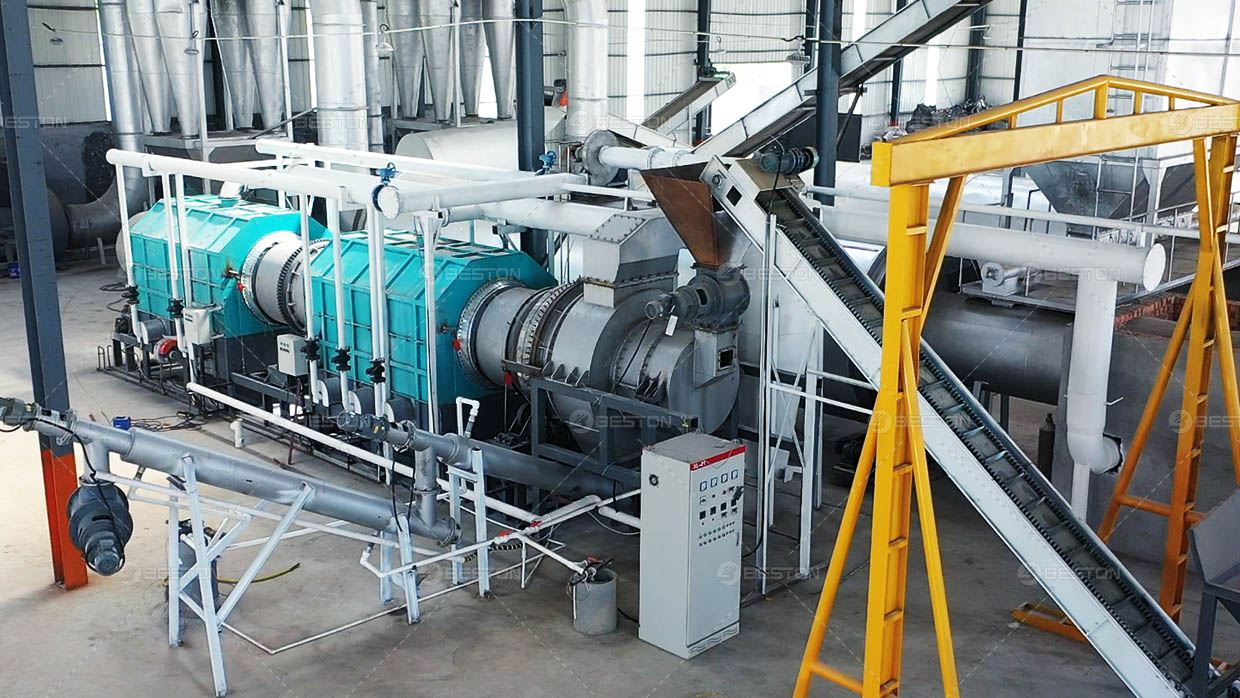
Maintaining the optimal performance of a charcoal production machine is crucial for ensuring its efficiency and extending its lifespan. Proper care and regular maintenance not only prevent costly repairs but also enhance the machine’s output. This article outlines the essential practices for maintaining a carbonization machine, focusing on maximizing the durability and functionality of equipment such as the BBQ charcoal making machine and bamboo charcoal making machine.
1. Routine Inspection and Cleaning
Regular inspection is the first step in ensuring the longevity of any charcoal production machine. A systematic check-up of all components—such as the combustion chamber, exhaust systems, and the carbonization unit—should be carried out at scheduled intervals. Ensure that no residue, such as ash or tar, builds up within critical areas. Cleaning these parts after each cycle of operation helps avoid blockages and ensures proper airflow, which is essential for efficient carbonization.
For BBQ charcoal making machines, this can involve scraping the interior surfaces and removing any waste material that could affect combustion quality. Similarly, a bamboo charcoal making machine requires frequent cleaning to prevent bamboo residue from obstructing gas flow or causing excessive wear to moving parts.
2. Lubrication of Moving Parts
The moving parts of a carbonization machine, such as conveyors, rotary kilns, and cooling systems, require periodic lubrication to reduce friction and wear. Failure to properly lubricate these components can lead to increased mechanical stress, resulting in breakdowns and decreased efficiency. Use high-quality lubricants designed for high temperatures, as these machines typically operate in harsh thermal environments.
Ensure that all gearboxes, shafts, and other movable mechanisms are lubricated at regular intervals to prevent premature failure. A well-lubricated system runs smoothly, reducing the risk of overheating or mechanical failure during the carbonization process.

3. Temperature Monitoring and Control
Temperature control is paramount in the operation of a charcoal production machine. Overheating can lead to the degradation of parts and affect the quality of the final product. It is essential to monitor the machine’s temperature regularly and adjust settings based on the type of raw material being processed. For instance, bamboo charcoal making machines may require different temperature settings compared to other carbonization systems.
Install temperature gauges in various sections of the machine, especially in the furnace and cooling areas, to ensure the correct thermal profile is maintained. Proper calibration of these systems will optimize fuel efficiency and protect sensitive components from heat-induced damage.

4. Inspection of Seals and Gaskets
Seals and gaskets are crucial in preventing leaks of gases or other materials during the carbonization process. Regular checks should be made to ensure these components remain intact and free of wear. Any signs of leakage, cracking, or deformation should be addressed immediately by replacing the damaged parts. Failure to do so can not only affect the machine’s efficiency but also pose safety hazards due to the risk of flammable gas leaks.
For BBQ charcoal making machines, ensuring tight seals helps maintain the temperature and prevents the escape of volatile compounds, improving both product quality and energy efficiency.
5. Cooling System Maintenance
The cooling system of a charcoal production machine plays a vital role in maintaining stable operation. Inefficient cooling can cause overheating, which can severely damage the machine. Periodically check the water or air cooling systems to ensure there is no clogging or leaks. Clean any air filters and replace worn-out cooling components, such as fans or pipes, to guarantee that the system operates efficiently.
For machines like the bamboo charcoal making machine, ensure that the cooling cycle is thoroughly managed. Any malfunction in cooling can lead to inadequate carbonization and lower charcoal yield.
6. Fuel Quality Monitoring
The type of fuel used in a charcoal production machine can significantly influence both machine performance and product quality. Ensure that the materials fed into the carbonization machine meet the required specifications. For example, bamboo is a popular choice for bamboo charcoal making machines due to its fast carbonization properties, but it should be free from impurities like dirt or excess moisture.
Examine the raw materials before they enter the machine to ensure they are of the right size and composition. Regularly assess fuel supply conditions to avoid any inconsistencies that could affect the performance of the BBQ charcoal making machine.
7. Professional Servicing
While routine maintenance is essential, periodic professional servicing can provide an additional layer of protection. Certified technicians are equipped to perform in-depth diagnostics and repairs that may be outside the scope of daily operations. Scheduling annual or bi-annual service visits ensures that hidden issues are addressed before they become major problems.